
The First Five Things I'll Propose in Office
Portland Core Services Fund (PCSF) - I am proposing that we build on Portland's Clean Energy Fund model to create a dedicated revenue source for core city services and protecting jobs. Raising the surcharge was considered by the council in 2025 and is worth revisiting now that we can look back on the cumulative fees, rate increases, and other charges everyday Portlanders are shouldering.
By exploring a separate 1% surcharge on qualifying large retailers either as a standalone new fund or addition with serious guardrails to PCEF, we can reduce reliance on unavoidable household fees and utility rate increases while protecting PCEF's climate mission.
Restore and Strengthen Independent Oversight - Restore the Auditor’s Office to full capacity and protect its independence from the Mayor, City Council, and administration. Portland needs an independent institution capable of examining how city programs perform, identifying systemic problems, and publicly tracking whether audit recommendations are implemented.
At the same time, strengthen the City Budget Office’s capacity to provide timely, accurate financial analysis, track citywide revenue and expenditures, and give Council the information it needs to make informed budget decisions.
These functions are complementary. The Budget Office helps the city understand and manage its finances; the Auditor independently examines whether city operations and controls are working effectively. Council must use that information to hold the administration accountable.
The goal: before more taxes and fees independent oversight, better decisions, and accountability after the audit and not just another report that sits on a shelf.
Bring the region together on homelessness - Revisit the 2024 City–County agreement on alternative shelters and Safe Rest Villages and use it as a starting point to clarify who is responsible for what. Portland cannot solve a regional problem through disconnected city, county, Metro, State, and service-provider systems; we need coordinated responsibilities and a shared approach to understanding who is being served and where the gaps are.
The goal: fewer silos, less duplication, and a regional system that can actually measure results.
Return material Arts Tax changes to voters - If Portland voters approved a tax, I believe they should have a say when City Hall proposes to materially change it. I will apply that principle consistently to voter-approved measures, including defending PCEF as Portlanders approved it.
The goal: respect for voters and meaningful public engagement when government proposes substantial changes to what they approved.
Reassess the rules that affect local businesses - Review COVID-era patio rules, permitting requirements, exemptions, moratoriums, enforcement, and other regulations affecting restaurants and small businesses. The economic conditions businesses face have changed, and we should be willing to ask whether rules created for a different era still make sense today.
The goal: remove unnecessary barriers while maintaining the standards Portland actually needs.
Rebuild Prosper Portland to deliver for Portland - Restructure Prosper Portland into two focused bureaus: one dedicated to small-business support and growth, and another focused on mid- and long-term city revitalization and economic development. Both should be empowered to identify opportunities, develop policy, and bring proposals directly to City Council and not simply wait for Council to tell them what to do.
The potential acquisition of a permanent home for the Montavilla Farmers Market is the kind of neighborhood-level economic investment I expect Prosper Portland to pursue.
The goal: an economic development agency that brings ideas to Portland instead of waiting for Portland to bring ideas to it.
Ranking me #1 on your ballot is a once in a lifetime opportunity to send a statement that our local government needs to change.
I am the only viable candidate for one of the three City Council seats in District 3 that has not come from the typical channels that lead to running, chased after organizational support by trying to claim allegiance to one of the caucuses on the current council or sought endorsements from organizations or lobbyists that work to influence or inform policy.
It has been an enormous amount of work running my campaign by myself, going directly to communities all year long, staying independent, keeping things above board, focused on solutions, and staying competitive against all odds.
I am also in the process of updating my website to reflect answers I have provided to several questionnaires. You can find a files with my complete replies to Portland Civic Lab’s candidate guide here, the League of Women’s Voters Guide here, Ballotpedia here, and the Oregonian/OregonLIve one here.
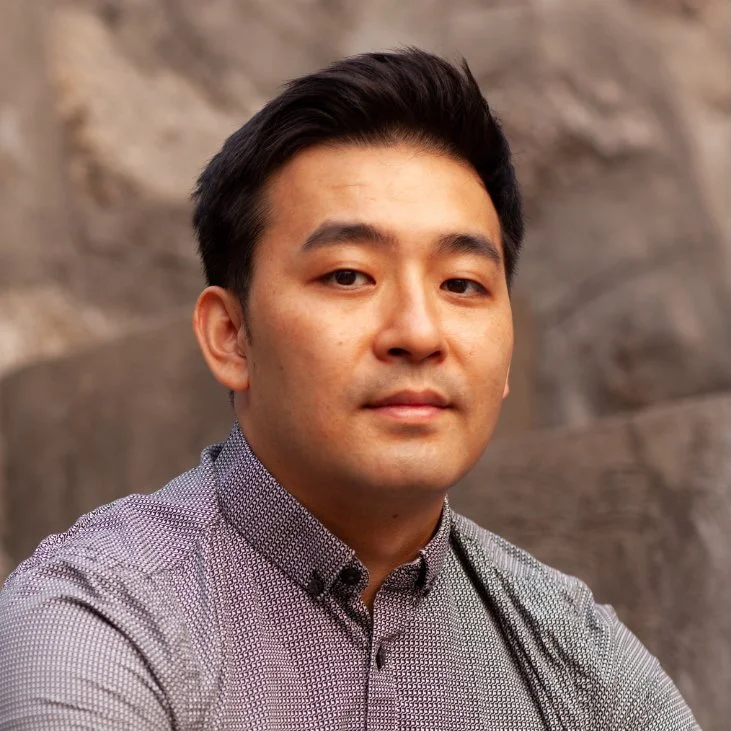
Meet Tom
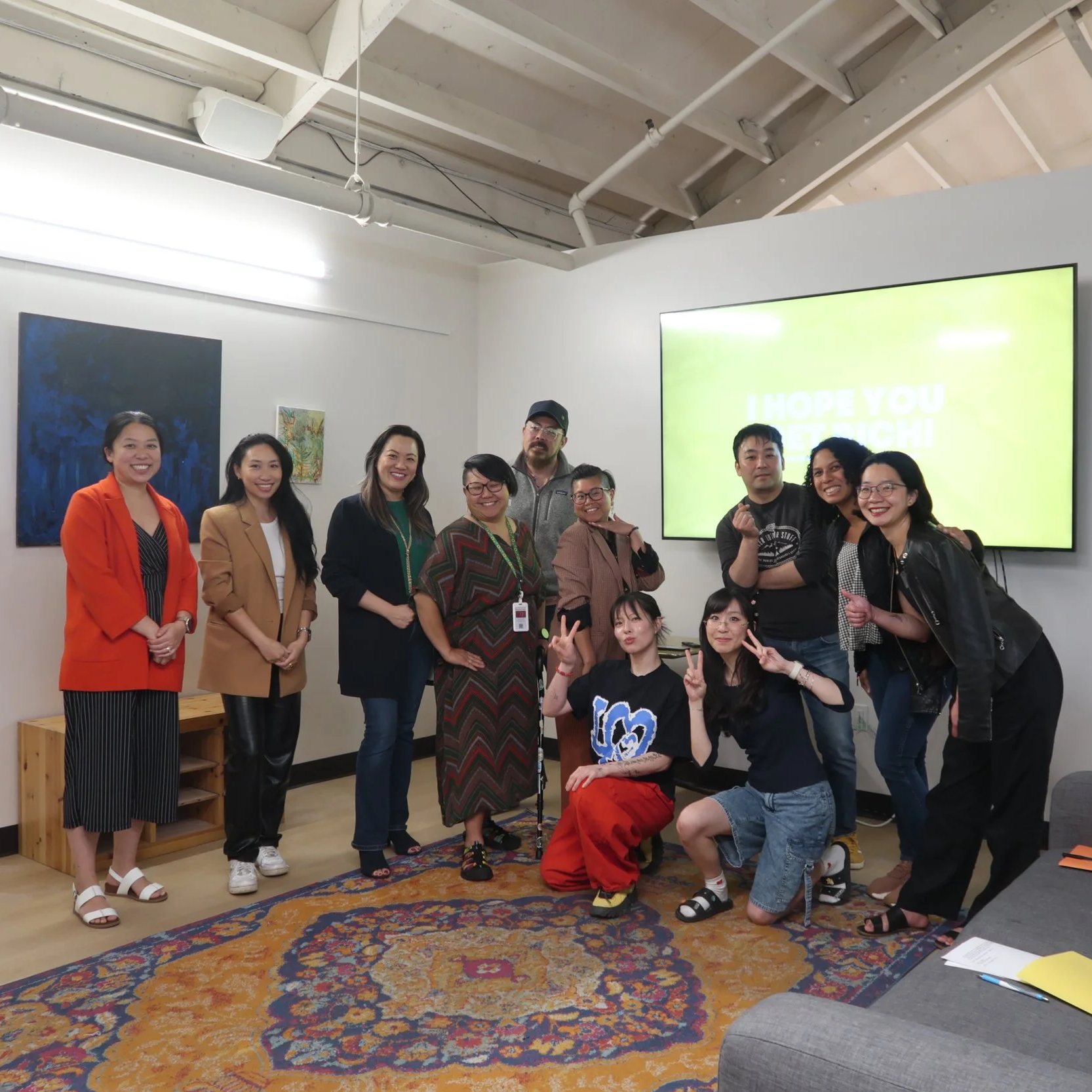
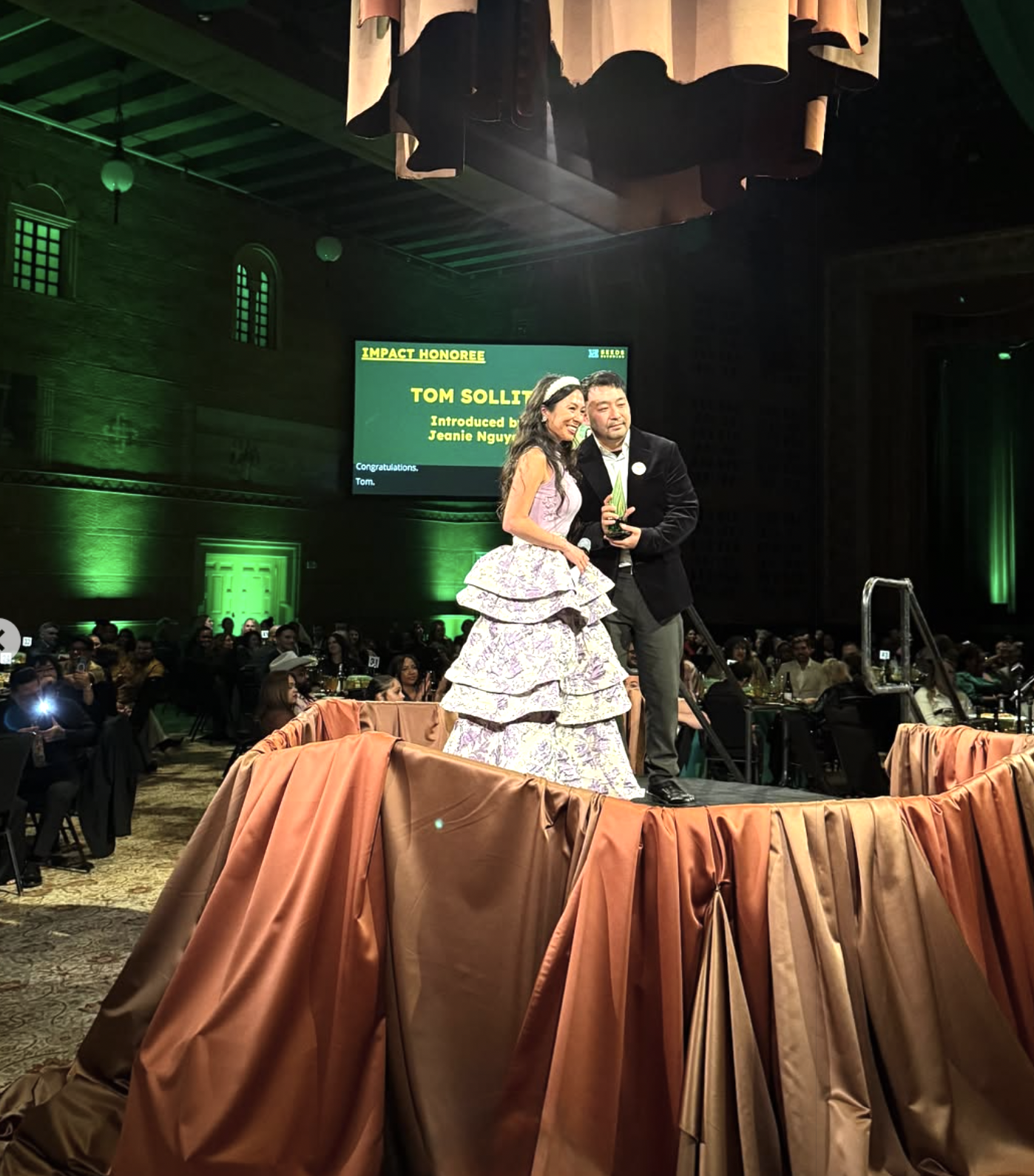
I've worked in consulting and in-house roles with nonprofits, businesses, and entrepreneurs in the U.S. and South Korea. I hold a BFA in Communications from Oregon State University and received the 2025 Taste for Equity Innovation Award for community-based work, including producing Oregon’s first Asian Pitch Competition, I Hope We Get Rich, and Oregon’s largest Asian-centered event the Legendary Makers Market.
My Values
As someone who was displaced through international adoption from South Korea to Oregon, an immigrant, and a former full-time educator, I know how profoundly agency, belonging, and opportunity shape a person's life. Those experiences strengthened my commitment to ensuring everyone has the opportunity to determine their own future, build a stable life, and fully participate in their community.
I believe every person deserves dignity, respect, and equal protection under the law. I will work to protect the rights of immigrants, LGBTQIA2S+ people, and every community facing discrimination or barriers to opportunity.
Portlanders don't always see things the same way, and that's okay. I believe we can disagree, listen, and still expect government to be accountable to the people it serves. I oppose federal overreach, including the way ICE has been deployed in Portland, and will stand up for Portlanders' rights and ability to govern our own communities.
I believe international events and conflicts have a profound impact on our local communities. I believe in peace, human rights, and self-determination for all people. I support a free Palestine, stand with Ukraine, and strongly oppose antisemitism and all forms of hatred and discrimination.
I believe public service is about solving problems, listening to the people most affected, and bringing diverse perspectives together to find practical solutions.
My Commitment
I believe the best government is often invisible because when systems work, people are free to focus on their families, their work, their communities, and their futures.
I'm running to build a Portland where government listens, communities are empowered, and public institutions deliver results.
The Working Interview
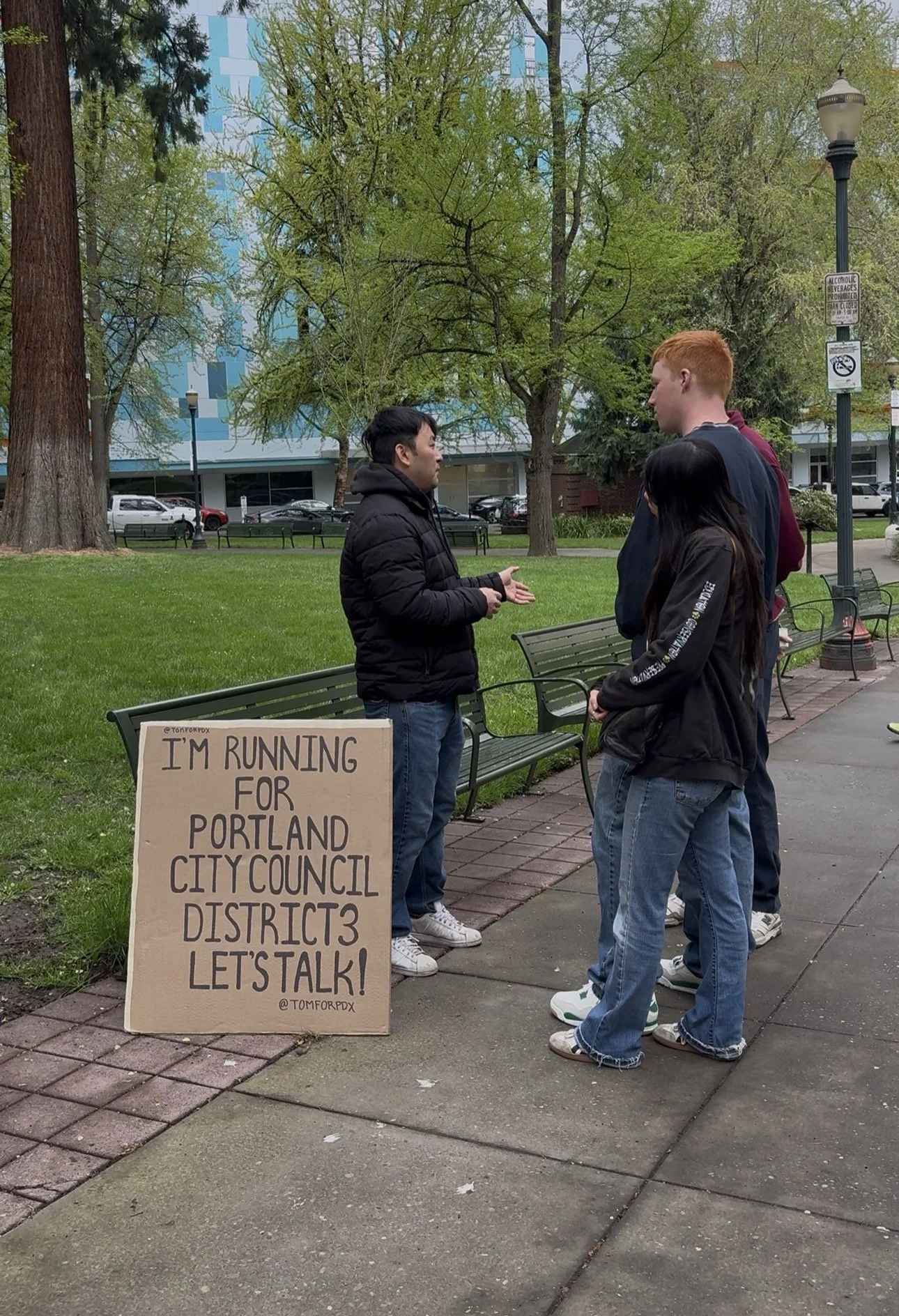
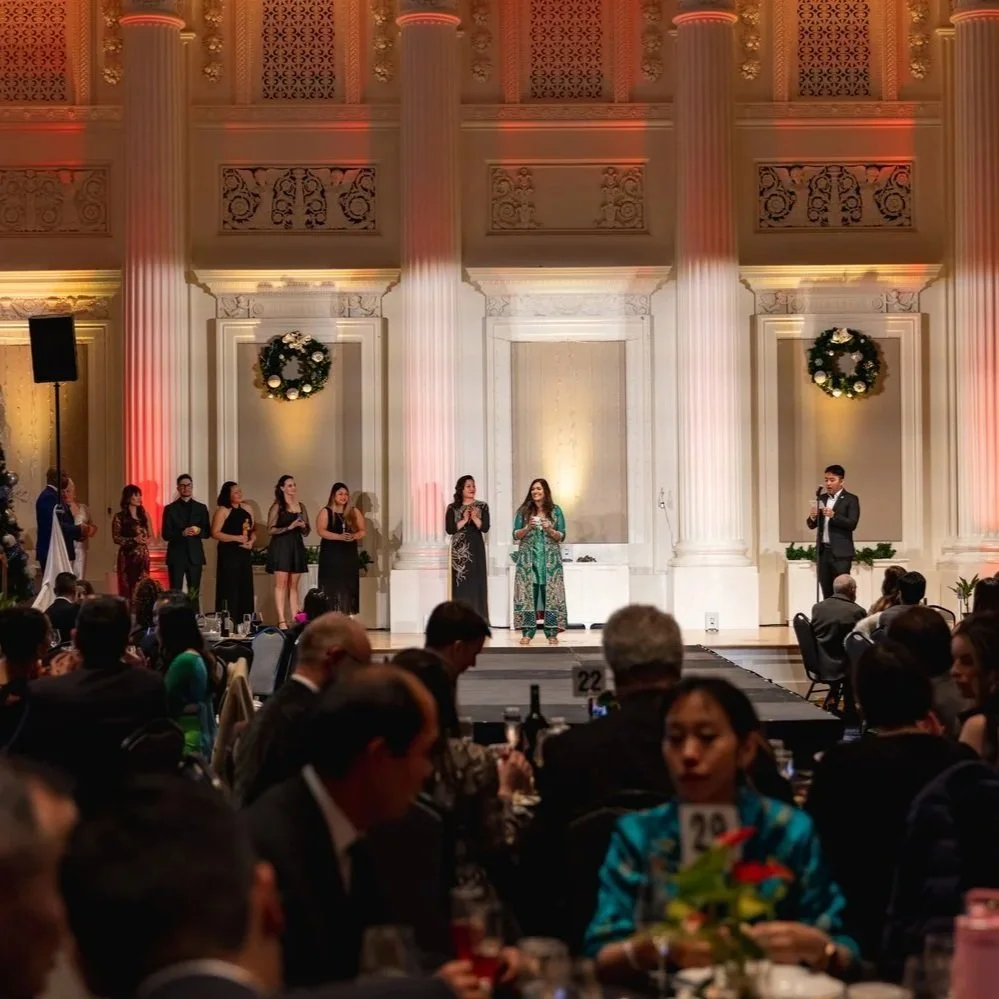
I've treated this campaign as one long working interview.
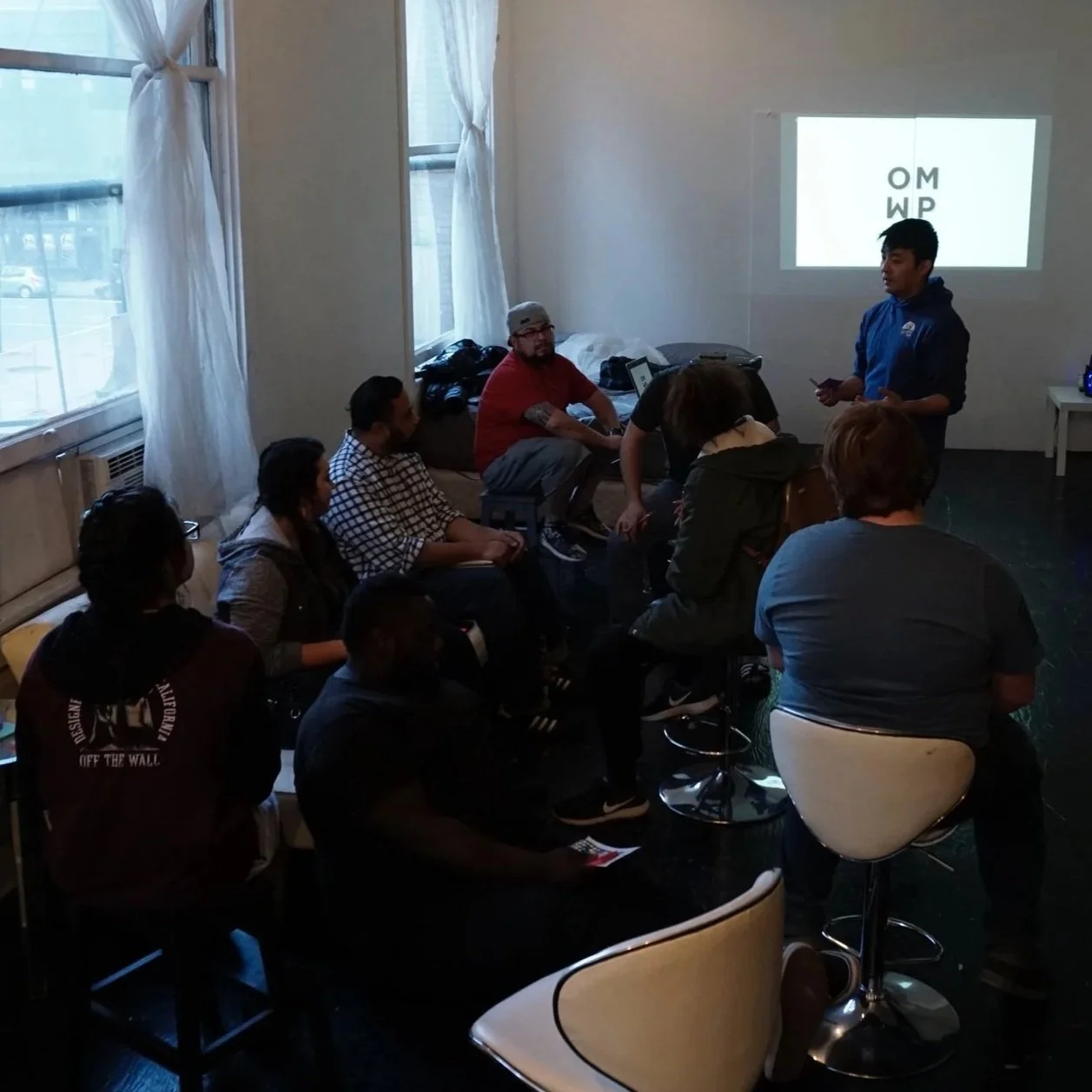
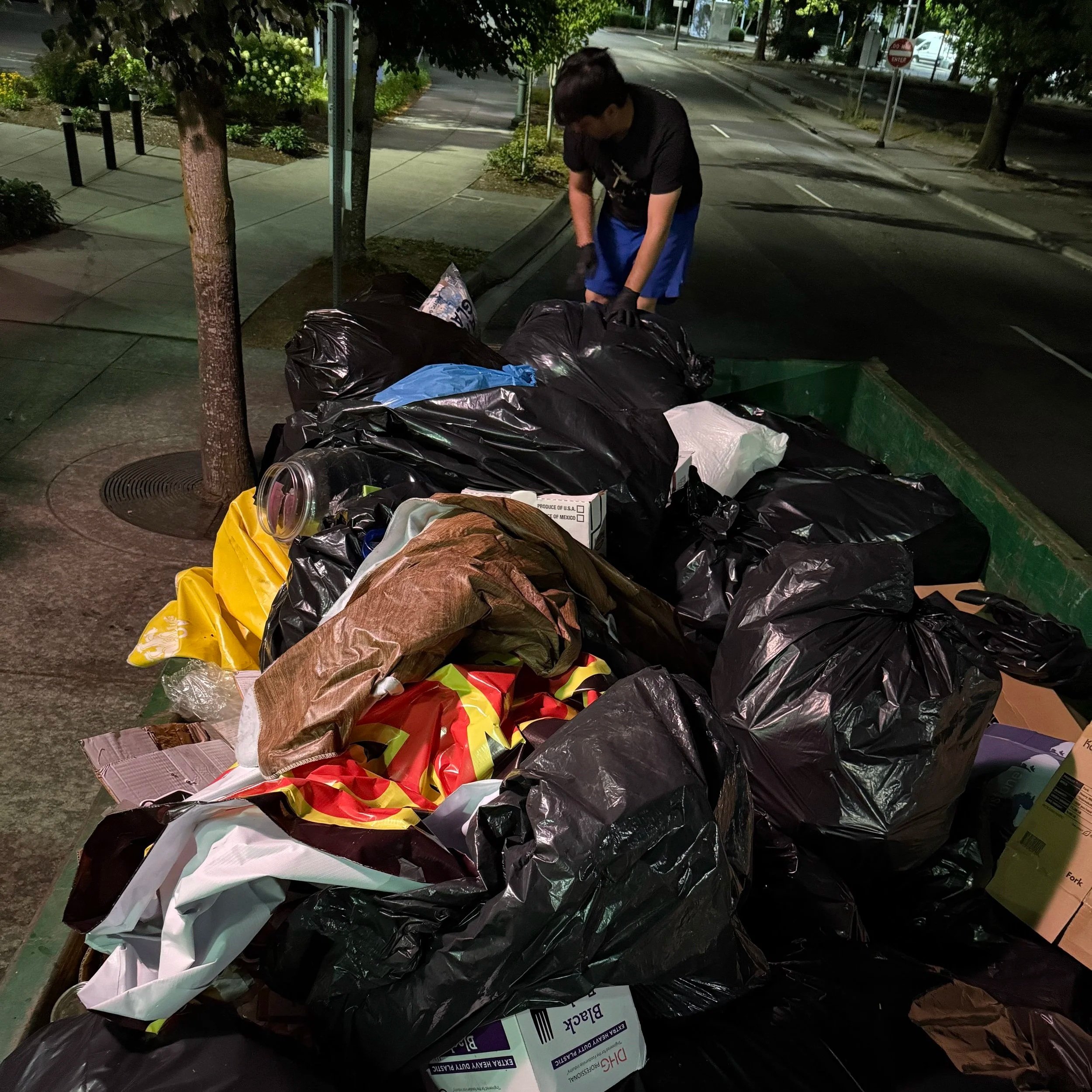
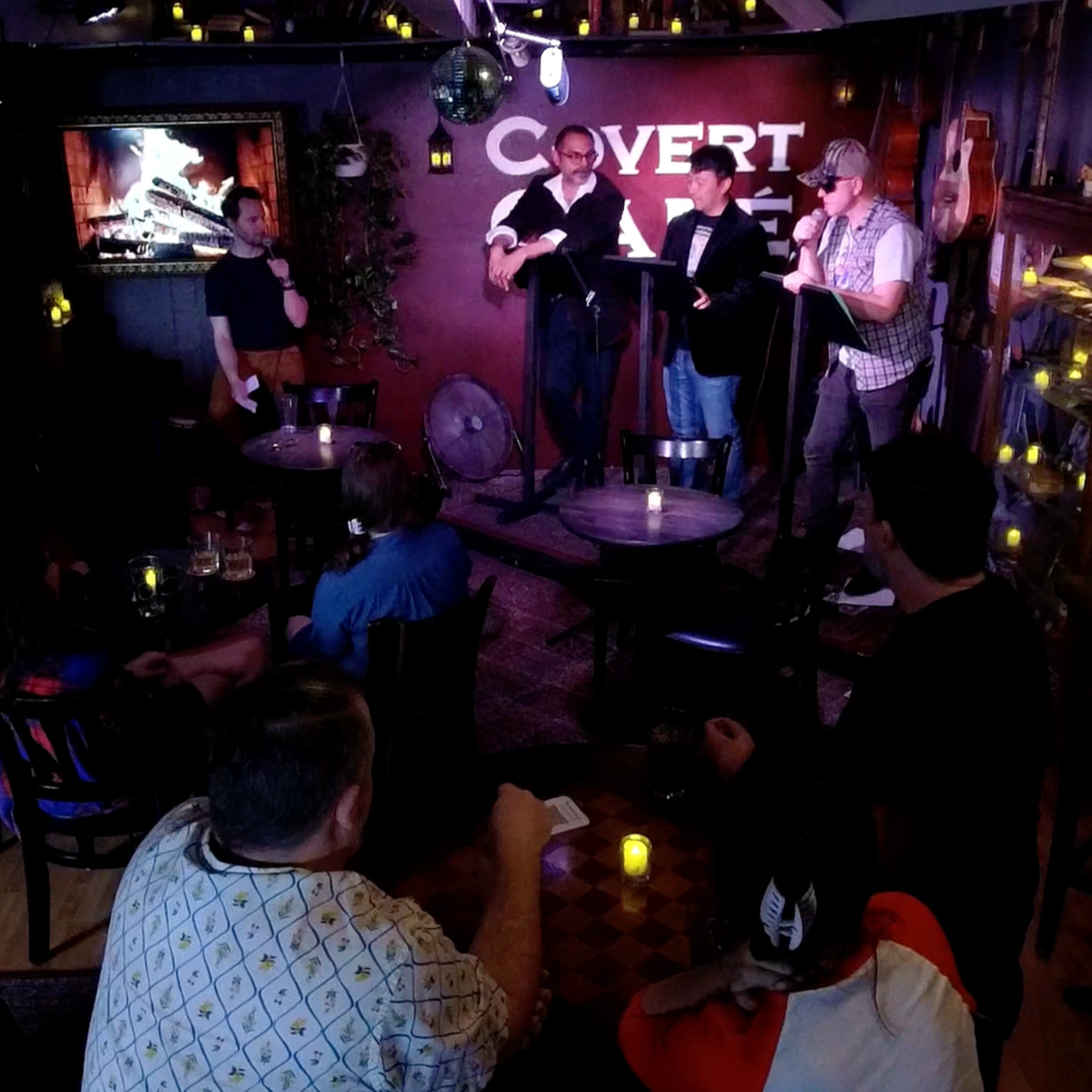
For ten months, I've shown up across Portland listening, learning, getting involved, and finding ways to help. That includes neighborhood and business associations, community organizations, public meetings, town halls, volunteer projects, tours, events, many one-on-one conversations, numerous City Hall and Council visits, and work that doesn't fit neatly into a list.
I'm not asking you to take my word for what I might do in office. I'm building a record you can judge for yourself. Please find case studies below under the “what I have been doing during this campaign” section.
I believe that if Portland voters really want to see meaningful change, they need to start evaluating candidates not by how much money they’ve raised, but by how they’ve spent it during their campaigns, not by how many endorsements they’ve received, but by what obligations come with those endorsements, and not by how many volunteers they have, but by why those volunteers came out.
Campaign Artist Commissions
I didn’t want to fundraise but I’ve already had to ask people to contribute so we could meet the Small Donor Matching Grant Program threshold and qualify for key debates, panels, and forums, such as those hosted by PDX City Club and 350 PDX.
Those matching funds aren’t free money. They are community dollars.
My campaign may not raise as much as some others. I’m less concerned with the total amount than I am with what we do with every dollar people entrust to us. At this point, every candidate has had ample opportunity to show voters how they steward those resources. Our campaigns are a reflection of our priorities and our values.
And it’s becoming clear who believes throwing more money at a challenge is the best solution.
Instead of spending Portland tax dollars on expensive, one-time printing with a glossy photo of my face or on digital ads that send money out of our community, I’m commissioning Portland artists and paying them for their work. I’m also looking for other ways to reinvest in small businesses, creatives, and community organizations.
That means more than stopping by for a cup of coffee and using someone’s business or event as a backdrop for my campaign or just lip service in appreciation. If I’m asking people to invest in this campaign, I want that investment to actually reach the people and communities I’m asking to support me.
The point is simple: use whatever resources are at hand to uplift, not exploit.
Even if the resource is just a social media post, it should center the community. Our platforms, our dollars, and our campaigns should create value for the people and places that make this city what it is.
That’s how I want to run this campaign, and it’s how I intend to approach public service.
While I can only control my own campaign, I hope this provides some food for thought for voters and other candidates about how we should expect Portland tax dollars to be spent and what is truly considered viable for a candidate.
My last event was hosted at Clark’s Coffee and featured the work of artists that were commissioned for $500 each. Their work spanned several mediums to fulfill assets my campaign might need. A total reinvestment through campaign of $5,000 not including the cost of booking the venue.
The next event will be hosted at Flying Fish Company (3004 E Burnside) from 6 pm to 8 pm for a candidate meet and greet. It is also an opportunity to invite conversation around permitting, fees, taxes, and more in regards to how they impact local brick and mortar businesses trying to survive in one of the worst climates to do business in decades if not ever.
You can learn more about how the Flying Fish Company along with an untold number of other establishments here.
WHAT I HAVE BEEN DOING DURING THIS CAMPAIGN
-
I helped earn the trust of a tenants union facing a 2.5-year elevator outage that was creating serious accessibility and quality-of-life challenges for residents. With potential TriMet service reductions adding another concern, I helped connect residents with the Mayor's Office through relationship building and advocacy.
-
I participated in conversations surrounding The People's Depot relocation and helped amplify concerns about a process requiring community organizations to navigate multiple separate agreements with different parties.
The experience reinforced my belief that government should bring stakeholders together and coordinate its work rather than requiring communities to manage disconnected systems themselves.
It was also a great opportunity to learn more about Good Neighbor Agreements, and the process that different parties engage in when adding something of substantial to a neighborhood.
-
I engaged with community members regarding the proposed renaming of César Chávez Boulevard to ensure that the voices of those who would be materially impacted were included in the conversation.
As part of that effort, I distributed a survey to more than 600 residents whose addresses would be affected by the proposed name change. I also explored alternatives, including street co-naming, that could recognize and honor important figures while minimizing unnecessary administrative and financial burdens on residents and businesses. The findings from this outreach were presented to each Council office.
I ultimately testified against waiving the City Code to expedite the renaming of César Chávez Boulevard to Campesinos. My testimony focused on the importance of meaningful community participation in decisions that directly affect residents. I argued that circumventing the participation of one group that would bear the practical consequences of the change undermines the broader goals of inclusion and community engagement that the renaming effort was intended to advance.
This position was in opposition to the sitting Council members, who had expressed support for the ordinance to waive the City Code and expedite the renaming process.
-
I stood alongside the Save Lloyd community and testified before Portland City Council in support of a climate-conscious, community-centered vision for Lloyd Center's future.
Our proposal emphasized adaptive reuse and preservation where feasible while creating opportunities for future investment and regional collaboration.
The experience reinforced what I believe public service requires: representatives should stand alongside Portlanders who organize and advocate for their communities, elevate their voices, and advance practical alternatives, even when those alternatives may not prevail.
Currently, there is no redevelopment plan other than demolishing the existing structure, our Mayor is now on record saying as much and that it will be 30 acres of dirt. A blighted section that large in the Lloyd District is likely going to become a big barrier towards revitalizing that part of Portland.
WHAT YOU CAN EXPECT FROM ME AS A COUNCILOR
-
Portlanders experience one Portland, not separate agencies and jurisdictions.
The City of Portland, Multnomah County, Metro, TriMet, schools, state agencies, nonprofits, and community organizations all play a role in our city's future. When these systems operate separately, people fall through the cracks. When they work together, we can deliver better outcomes.
As a Councilor, I will focus on bringing partners together, breaking down silos, aligning priorities, and making sure public investments create meaningful results.
-
People experiencing homelessness, behavioral health challenges, addiction, poverty, or instability often have to navigate a maze of disconnected systems.
Government should make that process easier, not harder.
We need better coordination between healthcare providers, service organizations, housing providers, and government agencies so people can access the right support at the right time.
Better coordination means:
Fewer people falling through the cracks
Less duplication of services
Faster responses during crises
Greater accountability for what actually works
Government should help people navigate systems instead of requiring people to navigate government.
-
Good government starts by listening.
Residents, businesses, and community organizations should have meaningful opportunities to shape decisions before policies are finalized, not after.
The best solutions often come from the people closest to the challenges. Government's job is to listen, collaborate, and help turn those ideas into action.
That means strengthening civic engagement, supporting neighborhood partnerships, creating better feedback loops, and making government easier to access.
-
Strong neighborhoods are the foundation of a resilient city.
After spending months attending neighborhood associations, business associations, and community events, one thing has become clear: Portland needs stronger connections between residents and the decisions that affect their lives.
We should invest in the systems that make civic participation possible, including the Office of Civic Life and partnerships with neighborhood and business organizations.
Community groups should spend more time building relationships and solving problems, and less time competing for limited resources.
Supporting neighborhood events, local partnerships, and community-led projects helps create a Portland where people feel connected, informed, and invested in their future.
-
Representation is not authority over people; it is responsibility to work with them.
Public service is not about defending systems because they exist. It is about asking whether they still serve the public and improving them when they do not.
Government should be functional, transparent, accountable, and responsive. Major decisions should be guided by clear goals, measurable outcomes, and public trust.
-
As the cost of living continues to rise, Portland needs practical solutions that help people afford to live, work, and build their futures.
That means supporting housing stability, strengthening small businesses, investing in neighborhoods, improving infrastructure, and creating opportunities for people to build a life here.
A strong local economy depends on the people who choose to stay, build, create, and invest here. Government should support that resilience by making it easier and not harder for people and businesses to succeed.
-
Portland needs to get more disciplined about how it spends money before asking residents for more.
This year, I hosted a Budget Amendment Session where a city employee, a union member, another candidate and others reviewed Council’s proposed amendments. It highlighted how difficult it can be to evaluate decisions when information arrives late or is difficult to digest.
I will improve the process so Council and the public have the information needed to make informed decisions.
I will prioritize core services and make sure that when a resident calls for help, someone answers.
The Auditor’s Office should have the capacity to independently identify waste and inefficiency. Bureaus should not be expected to audit their own operations. Independent oversight can identify savings and ensure taxpayers get value.
I will evaluate services based on outcomes and ask whether Portland is the right entity to provide them. Where another regional, county or state agency is better positioned, we should coordinate, share costs or transfer responsibility rather than duplicate services.
Cuts should also account for long-term costs. A position’s title may not reflect specialized knowledge that is expensive to replace.
I will strengthen oversight and scrutinize contracts before raising taxes or fees.
-
If Portland needs to increase police staffing we should be intentional about where those positions go. It needs to start with public demand for police accountability to restore trust in that office for public safety. I was encouraged by the candidates for the Director position for the Oversight Committee for Police Accountability (OCPA).
I have also heard some compelling evidence to consider strengthening detectives and specialized units that investigate human trafficking, violent crime, fraud and other complex crimes.
Staffing should follow public safety needs and not an attempt to reach a certain number and be in alignment with the very clear public desire for police accountability.
However, with recurring budget shortfalls each year we need to prioritize a holistic approach to public safety balanced across different bureaus and agencies.
Endorsements
This section will be a lighter compared to other candidates. I made a pledge earlier in the year to separate special interest from politics and to ensure that Portlanders can feel confident I’m not being uplifted just to vote in a predetermined direction.
Metro Councilor Miles Palacios
Former State Senator Akasha Lawrence Spence
Hey Doc Clinic Founder Dr. Montserrat Andreys
A Beat Happening Founder Jonas Angelet
L’Atelier Yaffe Owner George Fochive
If you would like to provide endorsements as an individual please get in touch at tomforpdx@gmail.com!
I’m making a simple pledge to the residents of Portland: I will not take contributions or seek endorsements from organizations, associations, or other special interest groups that receive money from the City of Portland including through a “separate” nonprofit or 501(c)(3) arm or organizations that regularly lobby to influence policy.
That does not mean I won’t work with these organizations or value them as partners. They should have a voice in our community, but there must be a clear line between helping shape decisions and controlling them.
The exception is City of Portland labor unions whose members are critical to delivering city services and would welcome their endorsements. This does not include police unions or associations because their advocacy extends beyond the employment interests of their members into shaping broader local policy.
I don’t believe endorsements or campaign contributions should create implicit or implied political obligations for elected officials.
I work for the residents of Portland and no one else.
While the mainstream media has decided to put their focus behind other candidates, I appreciate that they have noted my commitment to not only understanding the role but also brokering solutions.
“Among the other 17 candidates, we interviewed communications consultant Tom Sollitt, 41. Sollitt, especially, stood out for his diligence in researching the issues facing the city, reaching out to community members and helping broker solutions.” - the Oregonian
“Tom Sollitt, another small donor program user, is a communications consultant who’s spent much of the past year deeply engaged in local politics. Sollitt is a regular at council meetings and community civic events. He wants to see the city invest more in neighborhoods, improve relationships with other local governments and create more spaces for public engagement. He’s intentionally avoided receiving endorsements from any leading political groups.” - OPB
Community Reinvestment Through Donations
We officially qualified for the Small Donor Elections Matching Program thanks to meaningful support from all of you! This means that donations of $5-$25 will now be matched 10-1, which presents a big opportunity for the only viable campaign that is truly independent. The period ended yesterday but we can still accept direct donations.
Now that this campaign now has access to community dollars. I want to use those dollars differently and not just for months of self-promotion, but to intentionally reinvest in the community and leave something behind.
So far, our campaign has been able to reinvest nearly $18,000~ out of about a total $33,000 available after treasurey fees back into local small business owners, entrepreneurs, creatives, and community organizers. I want to keep doing that. The only thing slowing us down is that it took a month to receive the first round of matching funds from the city so did not want to commit to anything before that.
Follow along here to keep track of how and where we are reinvesting!
Showing Up Across Portland
A sampling of some of the meetings, events, conversations, and community spaces I've been part of during this campaign excluding repeat visits, city council meetings, and things that do not fit neatly into this type of list.
SE Uplift Board Meeting(s), Creston-Kenilworth Neighborhood Association, Brooklyn Action Corps, Mt. Scott-Arletta Neighborhood Association, Kerns Neighborhood Association, Brentwood Darlington Neighborhood Association Meeting, Laurelhurst Neighborhood Assocation, Hosford-Abernethy Neighborhood Association, Rose City Park Neighborhood Association, Richmond Neighborhood Association, Montavilla Neighborhood Association, Sunnyside Neighborhood Association, Buckman Neighborhood Association, North Tabor Neighborhood Association, Tabor Neighborhood Association, South Tabor Neighborhood Association, Woodstock Neighborhood Association, Sumner Association of Neighbors, The Old Town Community Association, Piedmont Neighborhood Association, Central Eastside Industrial Council, Division/Clinton Street Business Association, Hawthorne Business Association, Kernside Business Association, Hollywood Boosters Business Association, Foster-Powell Business Associaiton, Belmont Business Association, Brooklyn Business Association, Montavilla Business Association, East Portland Chamber of Commerce, Woodstock Business Association, Better Portland Thinking Local Series: Buckman Coffee Factory w/ Mayor Keith Wilson, 38th Annual OAME Trade Show & Luncheon
Norse Hall Visit (Norwegian Constitution Day), Port of Portland Visit, DSA Primary Results Watch Party, School Bike Bus Abernethy Elementary, Eat & Greet (Cultivate Initiatives), AAPI Night OMSI, Rose Festival Fireworks, Portland State University Farmers Market, Block Party @360grindz, Void x Let’s be Friends Summer Block Party, Sunnyside x Richmond Potluck, Brentwood Darlington Community Dinner, Cleveland High School (Groundbreaking), Community Warehouse, The Shack, City Council Watch Party at NextUp, Official Ribbon-Cutting Ceremony, Pearl Business Association, Quarterly Member Event: Summer Celebration, Save Lloyd Ice Gala?, East Portland Tool Library, Electrify Portland, Sunday Parkways, Hey Doc Anniversary, 2026 Milk Carton Boat Race, CEI Hub Tour, East Precent Every Tuesday, Fam Jam Dream Plaza, Social Beer: Mid-2026 Gathering (Tech Meet), FinAbility #SpeakOut, BikeLoud (New Greenway Ride)
Indivisible Group Candidate Panel, District 3 & 4 Candidate Meet & Greet, Happy Hour with Candidates, Burnside Turns 100, Jefferson High School Modernization Groundbreaking, Tech Meetup, Portland Fire Game, Garage Coffee, Abernethy Elementary School Mural, Parkrose High School Mural, Guns to Gardens, Alano Club, Division Midway Alliance Office Visit, NW Fresh Meetup, People’s Depot Conversation, Portland Rescue Mission, Historic Parkrose
TriMet Cuts Open House, Transportation Funding Open House (D1, D2, D3, D4), East County Resource Fair, Dawson Park Resource Fair, City Club Councilor Town Halls (D1, D2, D3, D4), PCC Strike, Joint Budgeting Listening Session (Councilors Smith and Pirtle-Guiney), Joint Town Hall (Councilors Clark and Zimmerman, and City Administrator Raymond Lee), Parkrose Forward, Coffee Break Series: Councilor Koyama Lane & Councilor Novick, Budget Talk with Elana Pirtle-Guiney), TriMet Board of Directors Meeting, Portland Issues: The City of Portland & Climate Resiliency, PCC Faculty March, D3 Budget 4/26), Councilor Kanal (Right to Know Who's Policing You), Multnomah County Proclamation Day, City Council Budget Listening Sessions (D1, D2, D3, D4), Office of Small Business (D4, D1), State of the County, State of the City, PCC Board Meeting, Public Forum, Regular Business Meeting and Briefing, Councilor Morillo Constiuent Coffee, Constiuent Coffee Dunphy, Representative Thuy Tran, A Conversation with Raymond Lee (City Club), GEAC: D1 City Councilors, D2 Moda Pop-up, Moda D3 Pop-Up, Portland Community College Board Of Directors,
Councilor Loretta Smith (Coffee with a Cop), Community Conversation with Councilor Elana Pirtle-Guiney, Councilor Zimmerman Coffee Hour, Portland Free Store Project, Feed the Mass, Community Happy Hour with Steve Novick, Past Lives, Northeast Coalition of Neighborhoods, Creative Afternoons at NACF, fromer Housing Bureau Employee, We are Better Portland, Silicon Forest Tech Summit, CSA Share, Groundscore Association, Reimagine the River Conference, Nourish Oregon, Gray Panthers, Community Resource Fair (Angelita), Governors Equity Roundtable, Save Lloyd, Refugee & Immigrant Girls World Cup, Thrive East PDX, CEI Hub Risks Press Release, Oregon Governors Marketplace, Textile Hive (Caleb), Portland Neighbors Welcome, Spring Health & Wellness Fair (Multnomah County), Cully 5 Corners Visioning Meeting & Survey, OMSI, CTOC (Clinton Triangle Oversight Committee), Urban League (41st Annual Career Connections Job Fair), The Offbeat (City Club 4/16), PIRC, Free Compost Day, Health & Public Safety, Oregon Active Transportation Summit (PechaKucha), Last Look at Cleveland High School, Tough Shit (April), OSU Food Innovation Center Visit, Snowcap Visit, Making Earth Cool, Community in Action: Our City, Our Priorities (Portland for All), Barbies Village Visit, Nonprofit Connect 2026, Fling & Resource Fair, Envisioning A Reconnected Albina: Continuing The Conversation, The Future of Ross Island, Union Rally at City Hall (May 3rd), River Hugger, Alley Oop the Vote, PCC Sonic Arts Capstone Showcase, Stone Soup Visit, Just Compassion, Renaissance Faire Rally, Bloom Oregon Food Bank, Veganizer Asian Market, The Courts 2.0 Groundbreaking, Telemundo Portland Fiesta Fútbol, presented by Unitus, Kernside Street Fair, 54th Annual Juneteenth Oregon, UO Concordia Campus Free Bricks, A Beat Happening (big gathering), Tough Shit (July), MultDems Annual Summer Picnic, Bird Alliance 350 PDX, Center for Positive Aging Visit, HAND Block Party, Futsal Tournament, Portland City Council Watch Party NextUp, Table TalkA Gresham Community Conversationon Homelessness & Furniture Poverty, Sumner Ice Cream Social, Food Court 5000, Cats of Sunnyside, Greater Brooklyn BBQ, Moda Center Talks, Roseway Picnic, Planned Parenthood Trivia, ESD Meetup, Sellwood Street Fair, Obon Fest, Energy Friendly Homes Tours (PCEF project, building emissions reductions), Friday Night Out, Friday Food Carts GEAC, Roseway Concert in the Park, CEI Hub Tour by Water,
Depave, Mt. Scott-Arletta Art Installation, Swan Island Beach Bash (Human Access Project and Willamette Riverkeeper), Painting Rainbow Road, Brooklyn Community Garden, Dear Portland Project (Take Down), Sunshine Division, SAN Litter Patrol & Rogue Gardening, 82nd Avenue of Roses Parade, Junior Rose Parade, Final Lloyd Center Ice Skating Show 5/31, Brooklyn Bridge Naming, Oregon Food Bank Visit, Talk a Mile, Neighbors Welcome, BDNA Artisan Market, No Kings Laurelhurst, Bricks need Mortar, Montavilla Street Plaza, Lloyd Live Duckworth Dock, Talk a Mile July 4th, Potluck in the Park, Rental Assistance Employee, Do Good Multnomah, the Filipino Bayanihan Center, Bike Portland, Art Design Xchange, Kinship, Train Snap, City Club, Future Portland, Frog Ferry,